

Canada’s housing market is sending mixed signals this August.
While activity remains softer than during the strongest periods of the housing boom, there are signs that consumer confidence and economic activity may be starting to improve.
For mortgage professionals, the important question isn't simply “What is the housing market doing?”
It’s: “What does the market mean for my clients?”
Home prices, immigration, consumer confidence, housing construction and economic growth are all influencing the decisions Canadians are making about buying, refinancing, renewing and accessing equity.
Here are five key trends mortgage professionals should be watching this August.
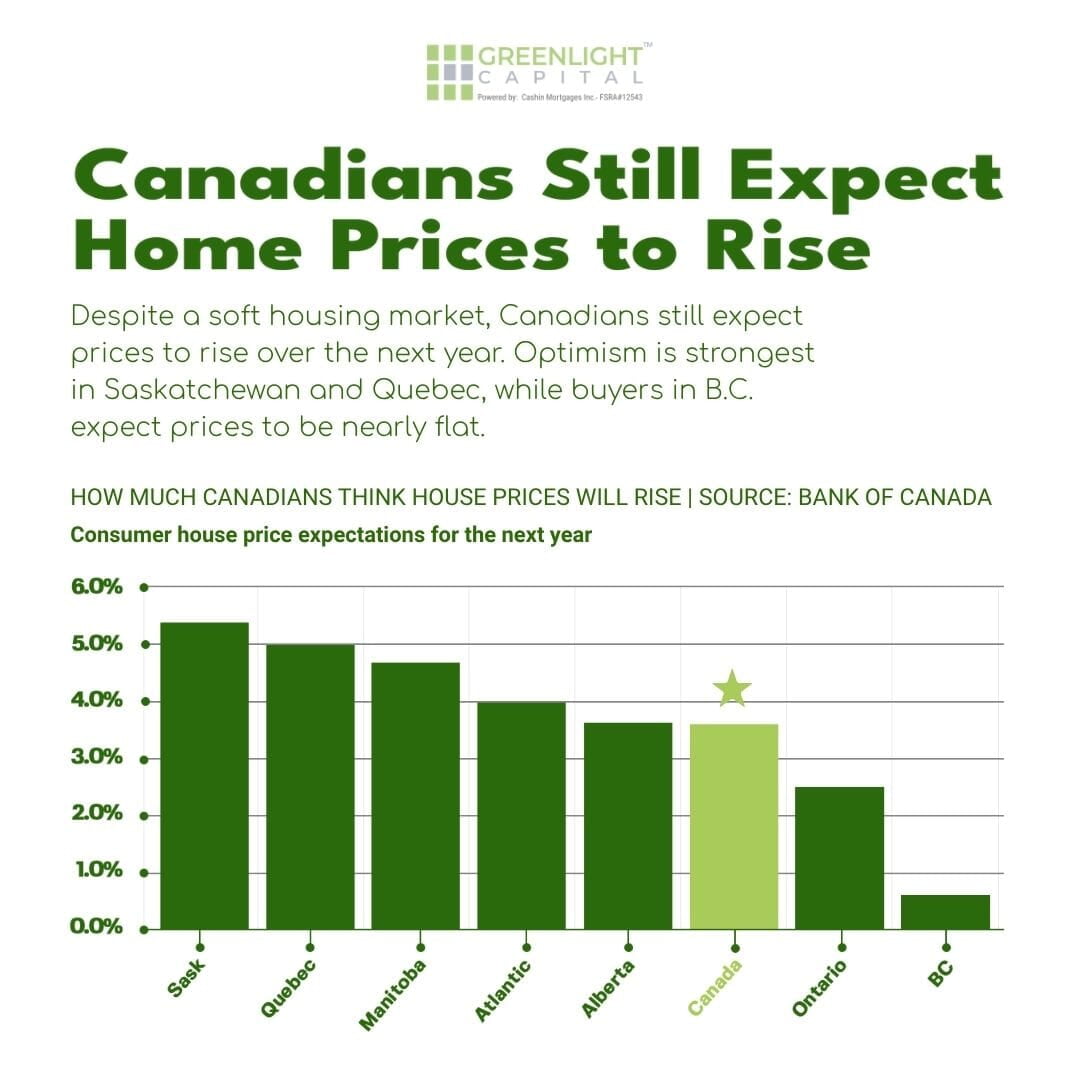
1. Canadians Still Expect Home Prices to Rise
Despite a softer housing market, many Canadians still expect home prices to increase over the next year.
Optimism is strongest in Saskatchewan and Quebec, while buyers in British Columbia remain more cautious and expect relatively flat prices.
This highlights an important reality:
Canada does not have one single housing market.
Local employment, population growth, housing supply and affordability can create very different conditions from one province or city to another.
What Does This Mean for Your Clients?
- For buyers, a softer market may create opportunities for those who are financially ready to make a move.
- For homeowners, stable or rising property values can help preserve or increase available home equity.
- For mortgage professionals, the takeaway is simple: look at the client and their local market, not just the national headlines.
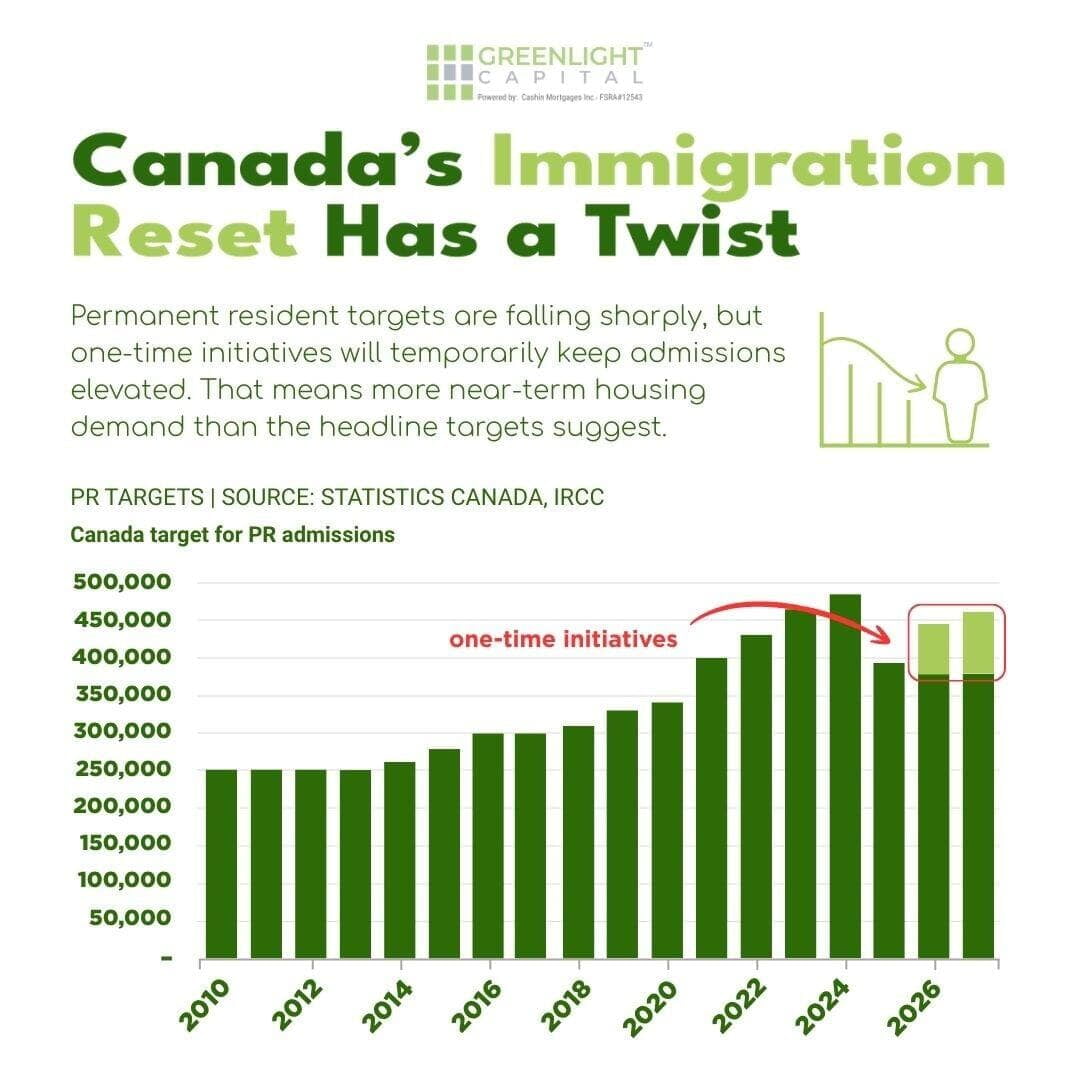
2. Canada’s Immigration Reset Has a Twist
Canada is reducing its permanent resident targets, which could eventually ease some of the population-driven pressure on housing demand.
However, one-time initiatives are expected to keep admissions elevated in the near term.
That means housing demand may remain stronger in some markets than the headline immigration numbers suggest.
Population growth remains an important factor, particularly in communities where rental and ownership supply is already limited.
What Does This Mean for Your Clients?
- For investors and property owners, local population trends can be an important consideration when evaluating rental properties and future demand.
- For homebuyers, strong population growth in certain markets could mean continued competition for desirable properties.
The takeaway: National immigration numbers don't tell the entire housing story. Look at what's happening in your client's specific market.
3. Consumer Confidence Is Low — But Improving
Canadian consumer confidence remains near historically low levels, but July brought some encouraging news. Consumer confidence recorded its strongest monthly rebound in more than three years.
It's too early to call this a major turnaround, but improving sentiment could be an early sign that Canadians are becoming more comfortable with the economic outlook.
When confidence improves, consumers may become more willing to revisit major financial decisions they previously put on hold. That could include:
- Buying a home
- Refinancing
- Renovating
- Accessing home equity
- Investing in real estate
What Does This Mean for Your Clients?
Don't wait until your client has a fully formed plan before starting the conversation.
A client who isn't ready to move today may still benefit from understanding their borrowing capacity and financing options.
Start the conversation early.

4. Canada’s Housing Supply Is Shifting
Another major trend to watch is the changing mix of new housing construction.
Rental construction continues to surge, while single-family construction is moving in the opposite direction.
More rental construction could eventually increase rental supply and provide additional options for tenants.
But fewer single-family homes being built could create tighter ownership supply over time, particularly in communities where demand for detached and ground-oriented housing remains strong.
What Does This Mean for Your Clients?
Different clients may be affected in different ways.
- Homebuyers: Future ownership supply could influence purchasing decisions.
- Real estate investors: Changing rental supply could affect local rental demand and competition.
- Homeowners: Long-term housing demand may influence property values and available equity.
Today's construction trends could have a significant impact on tomorrow's housing market.
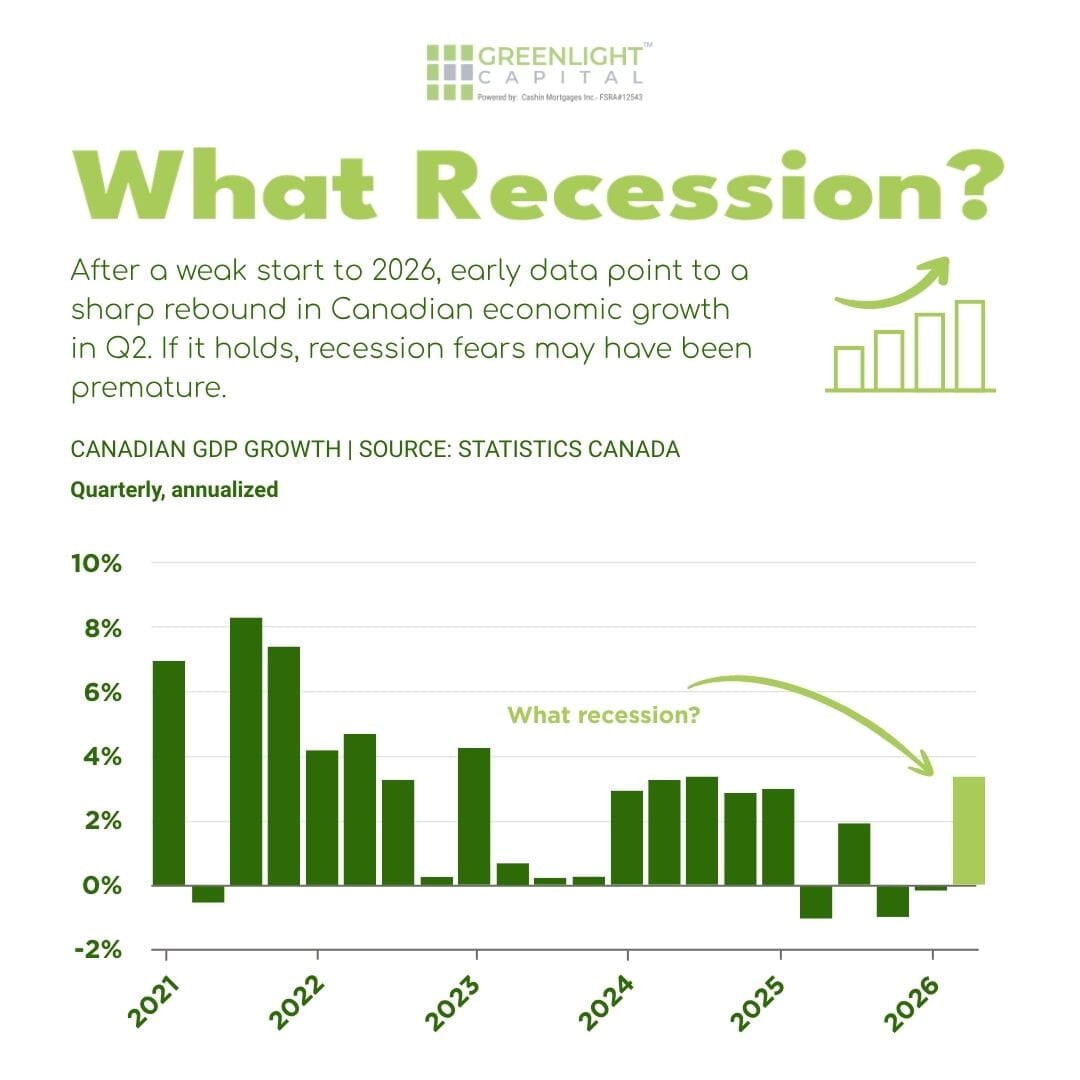
5. What Recession?
After a weak start to 2026, early indicators are pointing toward a potentially strong rebound in Canadian economic growth during the second quarter.
If that strength holds, some of the recession concerns that dominated earlier this year may have been premature.
That doesn't mean Canada's economic challenges have disappeared. Canadians are still dealing with affordability pressures, and economic conditions can change quickly.
However, stronger economic growth could provide more stability for households and businesses heading into the second half of the year.
What Does This Mean for Your Clients?
Clients who previously pressed pause may begin reconsidering their plans.
That could mean more conversations around:
Purchases. Renewals. Refinancing. Equity Access. Investment Properties. Business Financing.
For mortgage professionals, changing economic sentiment can create new opportunities to reconnect with clients and revisit files that were previously put on hold.
Clients who previously pressed pause may begin reconsidering their plans.
That could mean more conversations around:
Purchases. Renewals. Refinancing. Equity Access. Investment Properties. Business Financing.
For mortgage professionals, changing economic sentiment can create new opportunities to reconnect with clients and revisit files that were previously put on hold.
What Should Mortgage Professionals Take Away From the August Market?
The biggest takeaway is that there isn't one simple story when it comes to Canadian real estate. Some indicators are improving, while others remain challenging. Home prices, immigration, construction, consumer confidence and economic growth are all moving at different speeds.
For mortgage professionals, this makes understanding the individual client behind the application more important than ever.
- A client who doesn't qualify for traditional financing may have other options worth exploring.
- A homeowner with significant equity may be able to access capital for renovations, debt consolidation or other financial needs.
- An investor may require a financing strategy that goes beyond conventional lending.
And a business owner may have real estate equity that could potentially support their next move.
The biggest takeaway is that there isn't one simple story when it comes to Canadian real estate. Some indicators are improving, while others remain challenging. Home prices, immigration, construction, consumer confidence and economic growth are all moving at different speeds.
For mortgage professionals, this makes understanding the individual client behind the application more important than ever.
- A client who doesn't qualify for traditional financing may have other options worth exploring.
- A homeowner with significant equity may be able to access capital for renovations, debt consolidation or other financial needs.
- An investor may require a financing strategy that goes beyond conventional lending.
And a business owner may have real estate equity that could potentially support their next move.
Don't Just Ask About the Rate. Ask About the Goal.
Our client's conversation doesn't always need to start with: “What rate are you looking for?”
Try asking: “What are you trying to accomplish?”
Our client's conversation doesn't always need to start with: “What rate are you looking for?”
Try asking: “What are you trying to accomplish?”
Once you understand the goal, you can start exploring the financing solutions that may make sense.
At Greenlight Capital Canada, we work with mortgage professionals on flexible financing solutions for clients who may not fit traditional lending criteria.
Our lending solutions include:
- First Mortgages
- HELOCs
- Commercial Financing
- Construction Financing
- Business Financing
Whether your client has an unconventional income situation, needs access to equity, is purchasing an investment property or has a financing requirement that doesn't fit traditional guidelines, it's worth exploring the available options before walking away from the file.
Once you understand the goal, you can start exploring the financing solutions that may make sense.
At Greenlight Capital Canada, we work with mortgage professionals on flexible financing solutions for clients who may not fit traditional lending criteria.
Our lending solutions include:
- First Mortgages
- HELOCs
- Commercial Financing
- Construction Financing
- Business Financing
Whether your client has an unconventional income situation, needs access to equity, is purchasing an investment property or has a financing requirement that doesn't fit traditional guidelines, it's worth exploring the available options before walking away from the file.
Don't let a challenging file become a lost client.
Send the scenario to Greenlight Capital Canada and let's see what we can do.
📧 deals@greenlightcapitalcanada.com
📞 416-931-5626
Greenlight Capital Canada
Helping mortgage professionals find a path forward for challenging files.