

As March arrives, the Canadian real estate market begins to show signs of the seasonal momentum that typically builds through the spring. Buyers are preparing for new listings, homeowners are exploring refinancing opportunities, and investors are watching for strategic opportunities.
However, today’s housing market isn’t moving in one direction. Economic trends, regional housing conditions, and supply changes are shaping the market differently across the country. Understanding these factors can help brokers guide their clients toward better borrowing and investment decisions.
Here are the key trends shaping the market this month.
No Single Canadian Housing Story
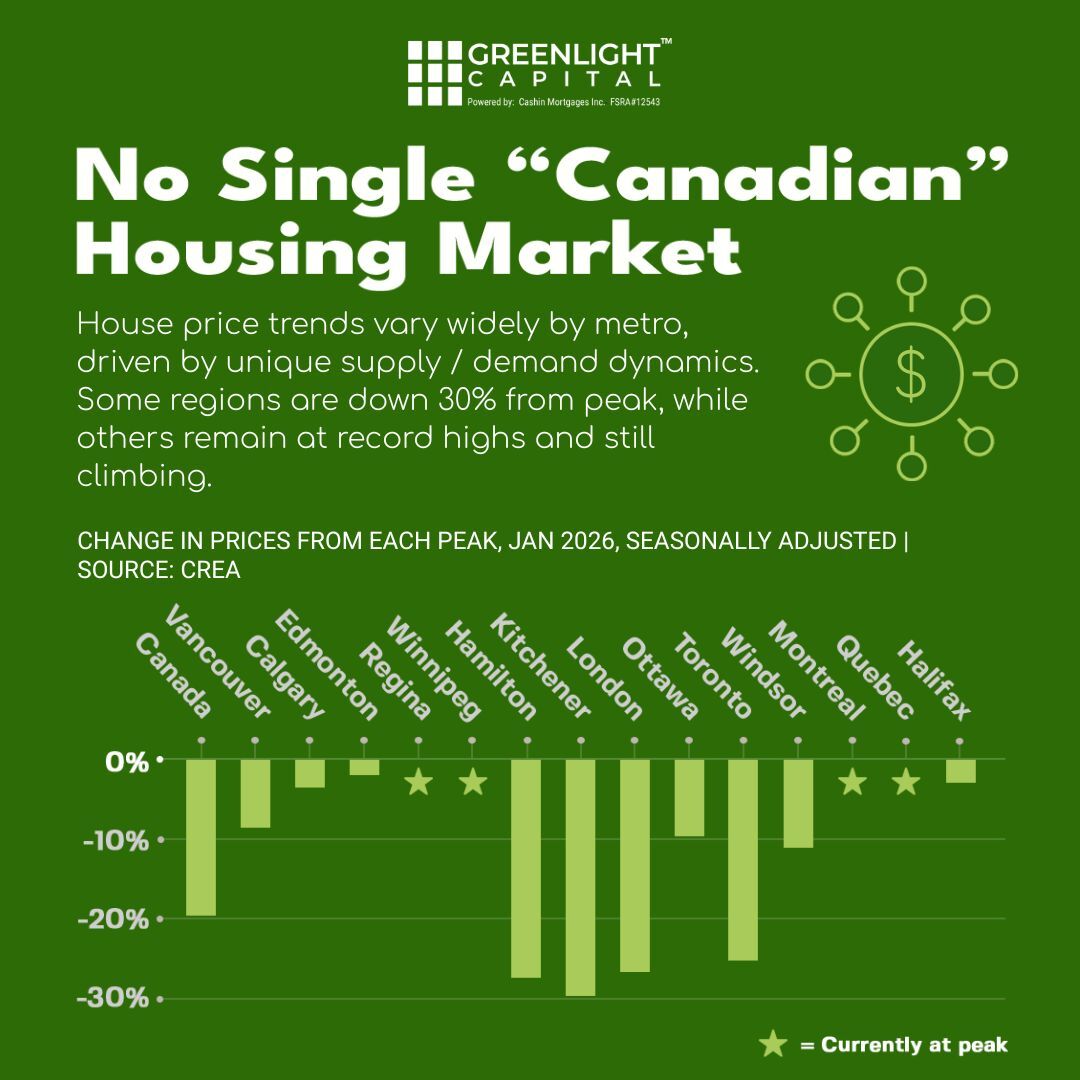
Across Canada, housing price trends vary significantly by region. Some metropolitan areas remain as much as 30% below their peak prices, while others continue to sit at record highs and even climb further.
This regional variation creates both challenges and opportunities for borrowers and investors.
What Your Client Needs to Know:
Borrowers in markets that have corrected may find opportunities to purchase at more attractive prices, while those in stronger markets may have built significant home equity that can be leveraged for refinancing, renovations, or investment properties.
Supply Is Starting to Tighten
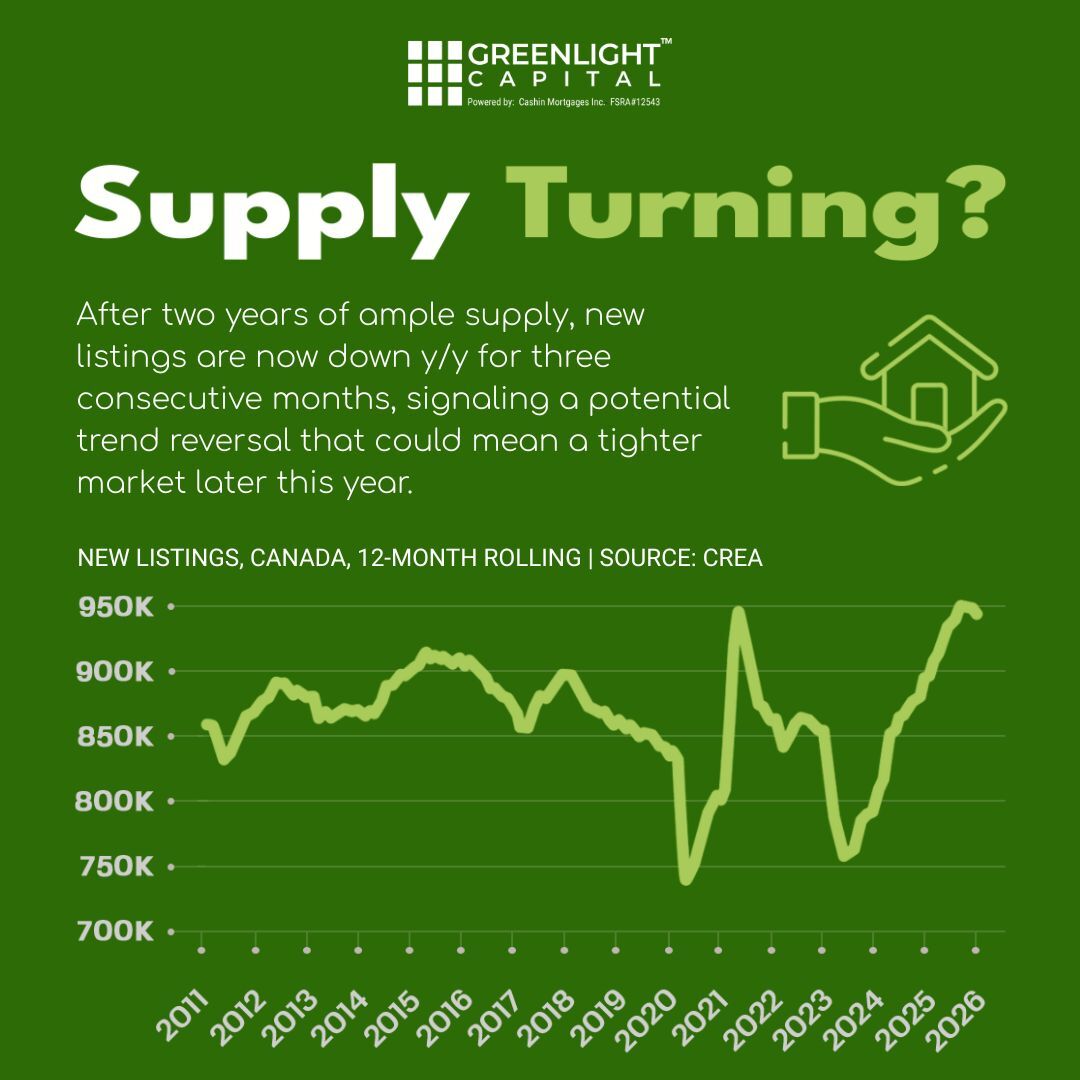
After nearly two years of relatively strong housing inventory, new listings have now declined year-over-year for three consecutive months.
If this trend continues, fewer properties available on the market could increase competition among buyers as the spring market gains momentum.
What Your Client Needs to Know:
Borrowers should ensure their financing is ready in advance, as tighter inventory may lead to faster-moving transactions and more competitive offers.
Tariffs: Risk or Opportunity?
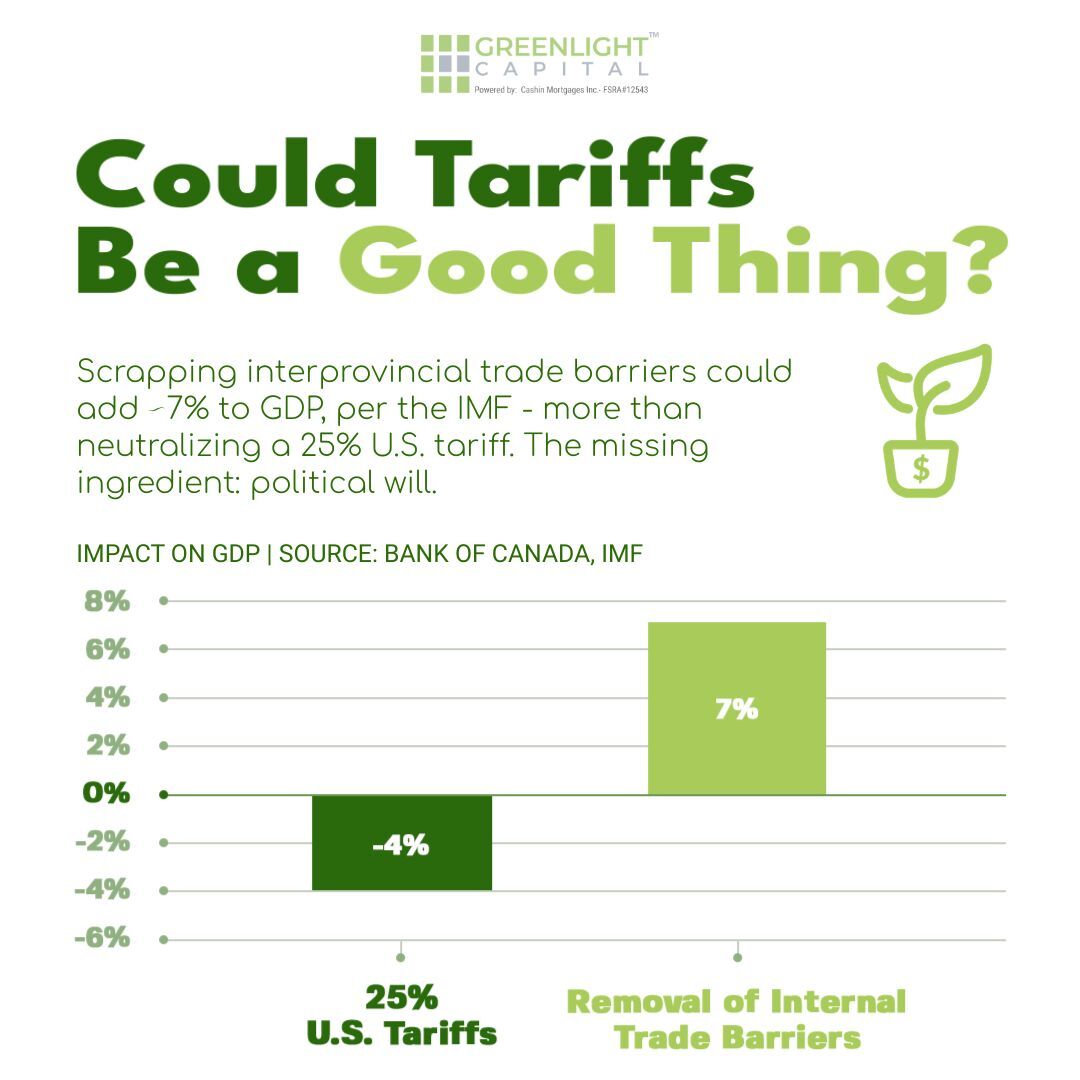
Economic policy also plays an important role in shaping housing demand. According to the International Monetary Fund, removing interprovincial trade barriers in Canada could increase GDP by up to 7%.
Stronger economic growth typically supports job stability, consumer confidence, and housing demand across the country.
What Your Client Needs to Know:
Borrowers investing in property may benefit from stronger long-term economic growth, which can support property values and rental demand.
Inflation Continues to Cool
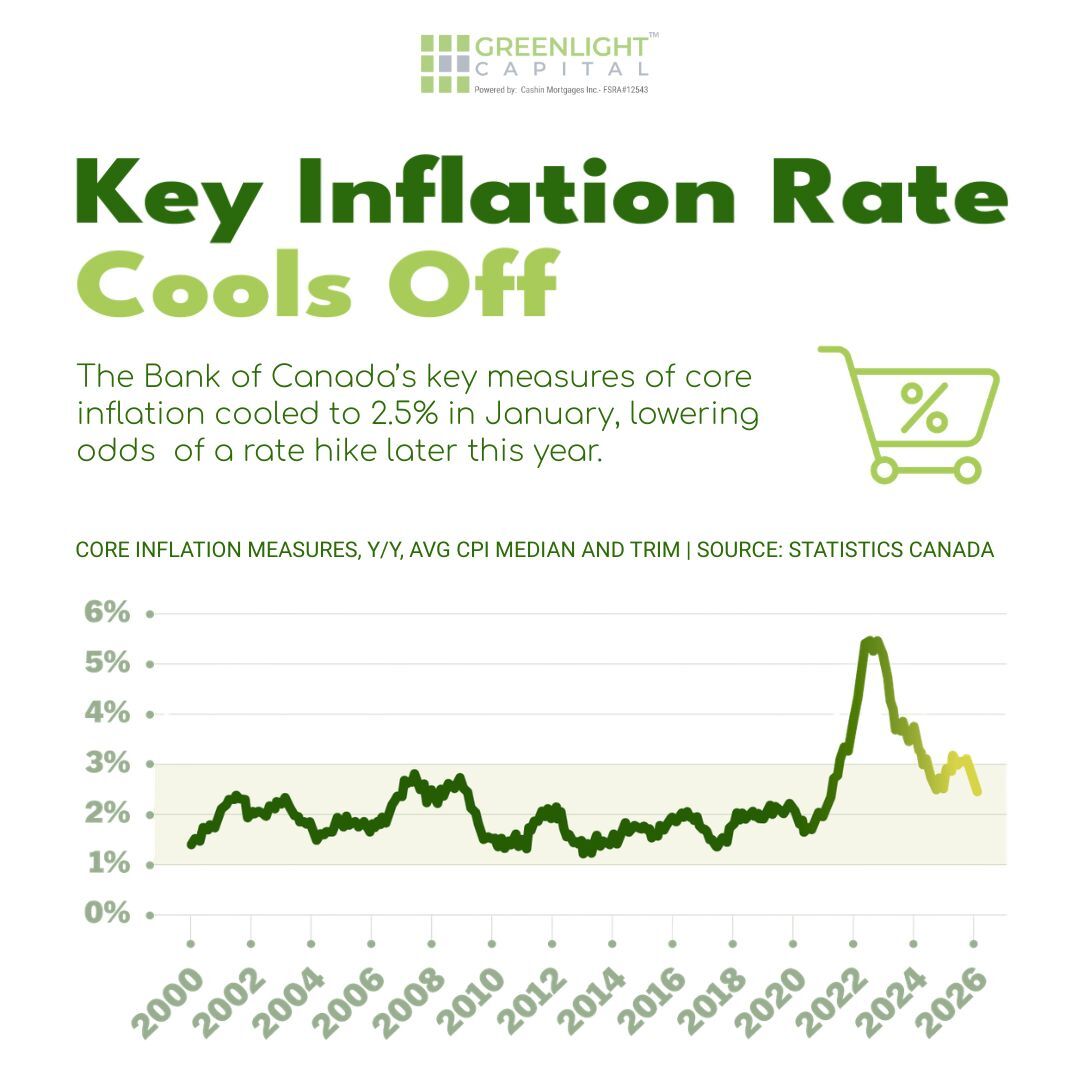
Another important development is the cooling of inflation. Core inflation tracked by the Bank of Canada dropped to approximately 2.5% in January.
Lower inflation reduces the likelihood of further interest rate increases later this year, helping create a more stable lending environment.
What Your Client Needs to Know:
Borrowers can plan mortgages, refinancing, or home equity strategies with more predictable borrowing costs.
Consumer Confidence Is Rebounding
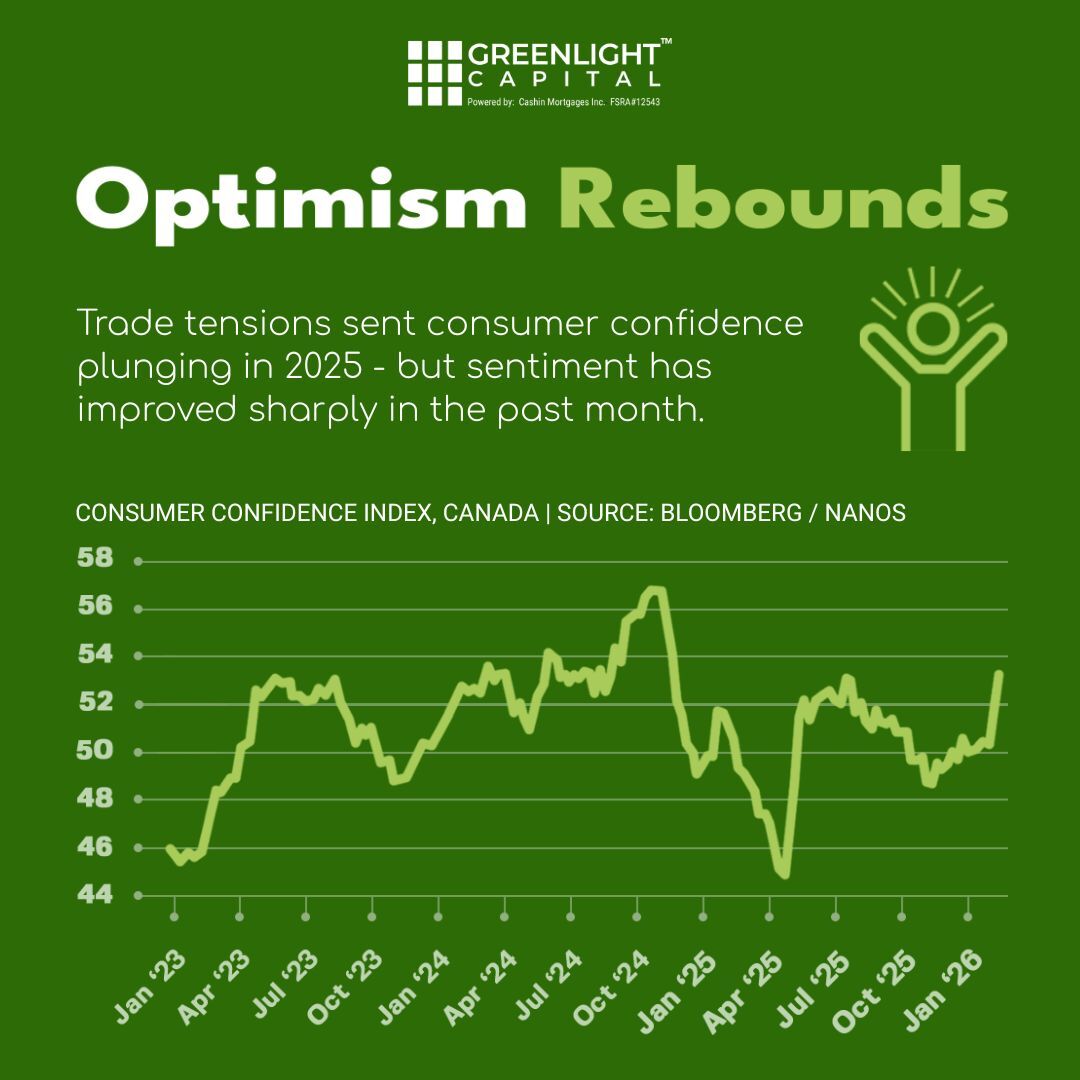
Consumer confidence declined significantly in 2025 due to economic uncertainty, but sentiment has improved sharply in recent weeks.
When confidence improves, housing activity typically follows as buyers and investors feel more comfortable making long-term financial decisions.
What Your Client Needs to Know:
Borrowers may feel more confident entering the market or exploring investment opportunities as economic conditions stabilize.
How Greenlight Capital Canada Can Help
In a market that continues to shift, having flexible financing solutions can make all the difference.
At Greenlight Capital Canada, we provide fast, flexible private lending designed to help brokers and their clients move quickly when opportunities arise.
Our solutions support borrowers who need alternative financing options, whether they are purchasing property, refinancing existing loans, accessing home equity, or funding investment opportunities.
Greenlight Capital Canada offers lending solutions for:
Home equity loans
Bridge financing
Debt consolidation
Investment properties
Time-sensitive opportunities
Let’s Help Your Clients Move Forward
The market continues to evolve, and staying informed helps brokers better serve their clients.
At Greenlight Capital Canada, our team works closely with brokers to provide practical lending solutions designed for today’s changing market conditions.