For many Canadian entrepreneurs, securing business capital through traditional financial channels feels like an uphill battle. Major chartered banks (such as RBC, TD, or Scotiabank) often demand real estate, commercial assets, or personal guarantees to secure a
commercial line of credit or term loan. If your company operates as a service provider, software startup, or asset-light business, you might not have physical machinery or property to pledge.
This leaves many business owners asking a critical question: Do unsecured business loans actually exist in Canada?
The short answer is yes. Unsecured commercial financing is widely available across Canada, but how it works and where you get it depends heavily on whether you are navigating traditional prime institutions or private alternative markets.
1. What Is an Unsecured Business Loan?
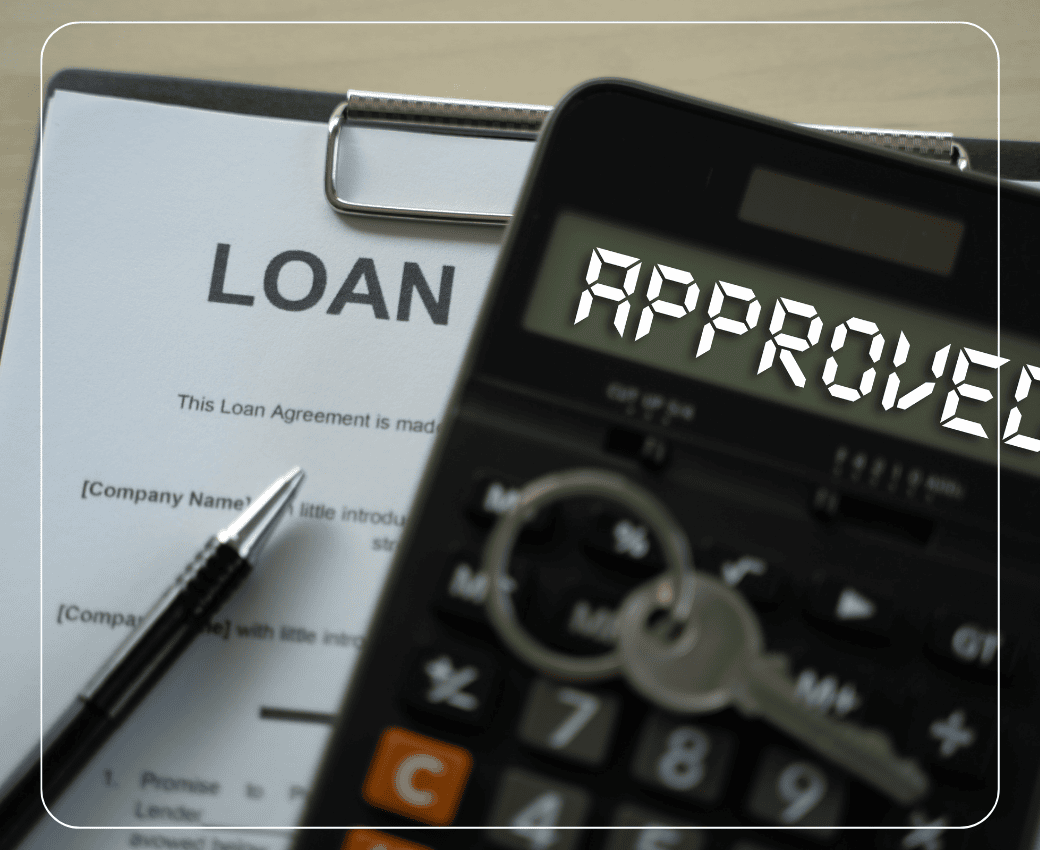
An unsecured business loan is capital provided to a company without requiring physical collateral (such as real estate, vehicles, or equipment) to back the funding amount. Instead of relying on tangible assets that can be liquidated in a default, lenders evaluate your application based on operational strength, cash flow predictability, and gross sales performance.
- Secured Loans: Backed by physical assets. If the business defaults, the lender seizes the collateral (e.g., through equipment financing options where the machinery itself acts as security).
- Unsecured Loans: Not backed by physical property. Underwriters approve funding based on your revenue velocity, bank account health, and general business creditworthiness.
2. Why Prime Banks Rarely Offer Unsecured Commercial Loans
If you walk into a traditional bank branch asking for $100,000 in unsecured working capital, you will likely face an uphill battle. Traditional chartered banks operate under strict regulatory frameworks. When evaluating business credit, prime institutions prioritize risk mitigation above all else. Unless your business boasts pristine credit, years of profitability, and substantial cash reserves, traditional lenders typically require documents needed for a prime business loan such as two years of T2 corporate tax returns, T1 personal tax filings, and property tax statements to secure the debt against real estate.
If your business lacks heavy physical assets or extended tax histories, traditional Canadian banks say no to unsecured requests, forcing entrepreneurs to seek alternative financing routes.
3. How the Subprime & Alternative Market Makes Unsecured Capital Possible
When prime banks decline unsecured applications, Canadian business owners turn to private lenders, fintech platforms, and alternative financial institutions. The alternative market specializes in unsecured funding by replacing physical collateral requirements with cash flow analysis. By utilizing 12 months of official business bank statements, alternative underwriters evaluate your daily deposit activity to issue fast approvals through several unsecured structures:
A. Revenue-Based Financing
Under a revenue-based financing model, approval is tied directly to your monthly gross sales. You receive a lump sum of capital and repay it as a set percentage of your ongoing revenues. No land, inventory, or equipment is pledged.
B. Merchant Cash Advances
For retail stores, hospitality groups, and e-commerce brands, a merchant cash advance solution offers an unsecured advance against your future daily debit and credit card sales. Lenders look at your daily card processing volume rather than requiring physical property as
security.
C. Invoice & Accounts Receivable Financing
If your business has cash tied up in unpaid customer invoices, you can leverage invoice financing for unpaid invoices. Lenders advance capital based on the strength of your outstanding receivables, using the invoice value itself rather than requiring real estate
collateral.
4. How to Qualify for an Unsecured Business Loan with Bad Credit
A common misconception is that obtaining an unsecured loan without collateral requires a perfect 750+ credit score. While a strong credit score makes qualifying easier at traditional banks, alternative lenders operate differently. If your Equifax or TransUnion credit score has taken a hit, you can still qualify for a business loan with bad credit if you can demonstrate:
1. Strong Bank Account Health: Consistent daily balances with minimal or no Non-Sufficient Funds (NSF) or overdraft fees over the past 12 months.
2. Consistent Monthly Sales: Gross monthly sales averaging at least $10,000 to $15,000.
3. Time in Business: At least 6 months of active operations in Canada. Because subprime alternative lenders prioritize your recent 12-month banking history over legacy credit issues, they provide a reliable pathway to unsecured capital when traditional channels close.
5. Secured vs. Unsecured Business Loans: At a Glance
Before submitting your next loan application, audit your credit profile for errors. Inaccuracies on Equifax Canada or TransUnion Canada reports are remarkably common and can artificially drag your score down.
- Check for Inaccuracies: Look for settled debts listed as open, incorrect late payment flags, or outdated CRA tax lien records that have already been resolved.
- Dispute Errors: Disputing incorrect marks directly with the credit bureaus can raise your score by 20 to 50 points in a matter of weeks, bringing you into a much better qualification tier.
| Feature | Secured Business Loans | Unsecured Business Loans |
Collateral | Required Real estate, equipment, inventory, or vehicles | None (Approved on cash flow & revenue) |
| Primary Approval Metric | Asset value & Debt Service Ratios | Daily cash flow & monthly revenue velocity |
| Documentation Needed | Heavy (T2 taxes, NOAs, property statements) | Light (Simple application + 12 months bank statements |
| Approval Speed | 4 to 8 weeks | 24 to 72 hours |
| Best For | Heavy machinery purchases & property acquisition | Working capital, inventory, payroll, & fast growth |
Access Unsecured Business Capital in Canada Today
You don't need to mortgage your home or pledge physical machinery to get the capital your enterprise needs to scale. At Greenlight Capital Canada, we evaluate your business based on its actual performance and revenue potential not just physical collateral or credit scores.

Ali Malik
Business Development Manager