

September is here, and Canada’s housing market continues to shift. The housing market is becoming increasingly complex. New construction is slowing, mortgage preferences are changing, housing supply is moving toward rentals, and economic pressures are affecting provinces differently.
For homeowners, buyers, investors, and mortgage professionals, understanding these changes is important when making financing decisions.
Here are five key housing market developments to watch this September and what they could mean for borrowers and investors.
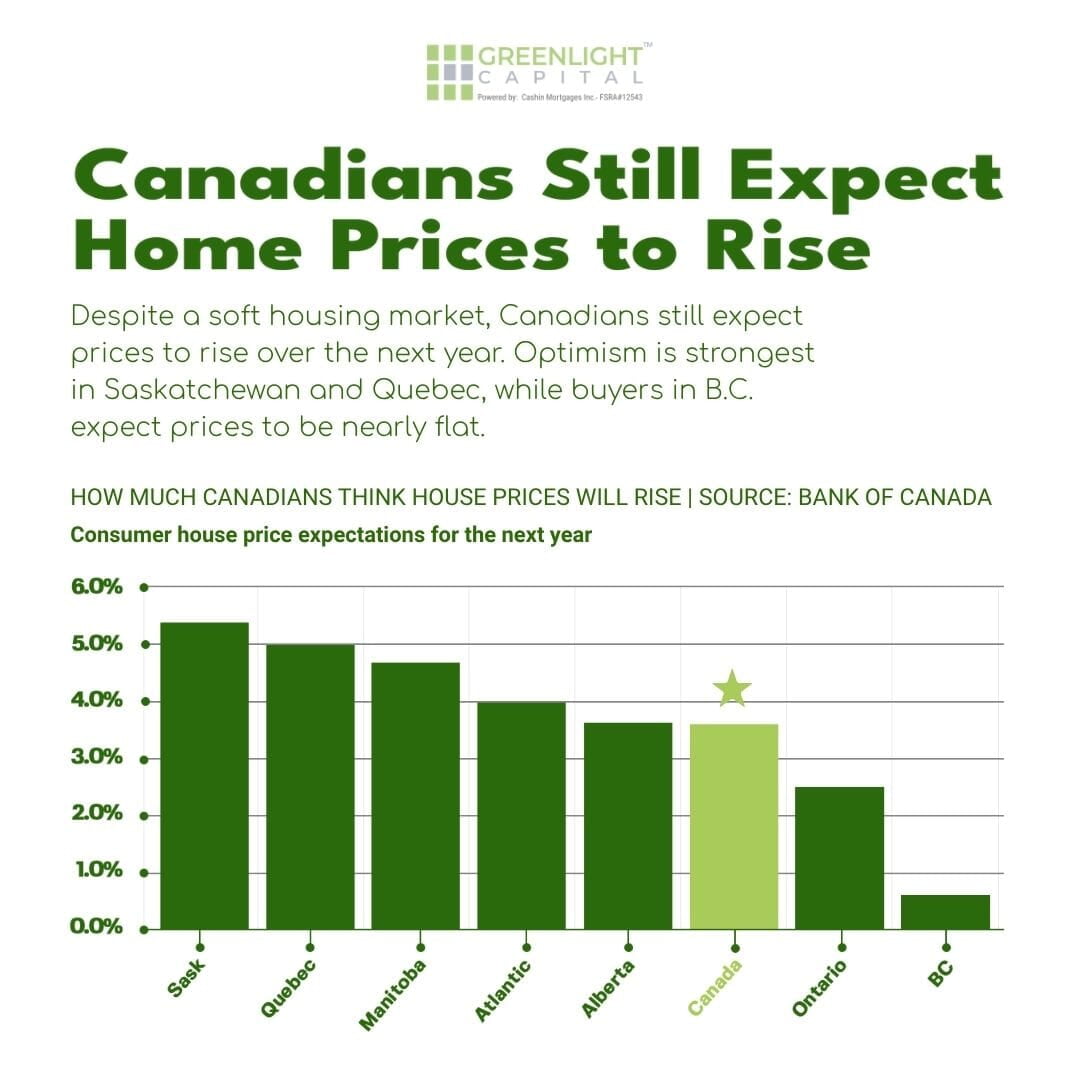
1. Homeowner Construction Pipeline Is Collapsing
Canada's pipeline for new homeowner housing is facing a significant slowdown.
The 12-month total of condo and single-family housing starts is at its lowest level in more than 25 years, setting the stage for significantly less homeowner supply in the years ahead.
While fewer new homes may ease some construction-related pressures in the short term, the longer-term concern is supply. Canada's population and housing needs continue to evolve, and a sustained decline in ownership-oriented construction could make it more difficult to add enough homes for future buyers.
What Does This Mean for Your Clients?
For clients planning to purchase a home, limited new construction could make the resale market increasingly important.
Buyers may want to consider a broader range of properties and markets rather than focusing exclusively on new construction. For investors, limited future ownership supply may also create opportunities in markets where demand remains strong.
The key takeaway: Clients should plan ahead rather than assuming more new inventory will become available when they are ready to buy.
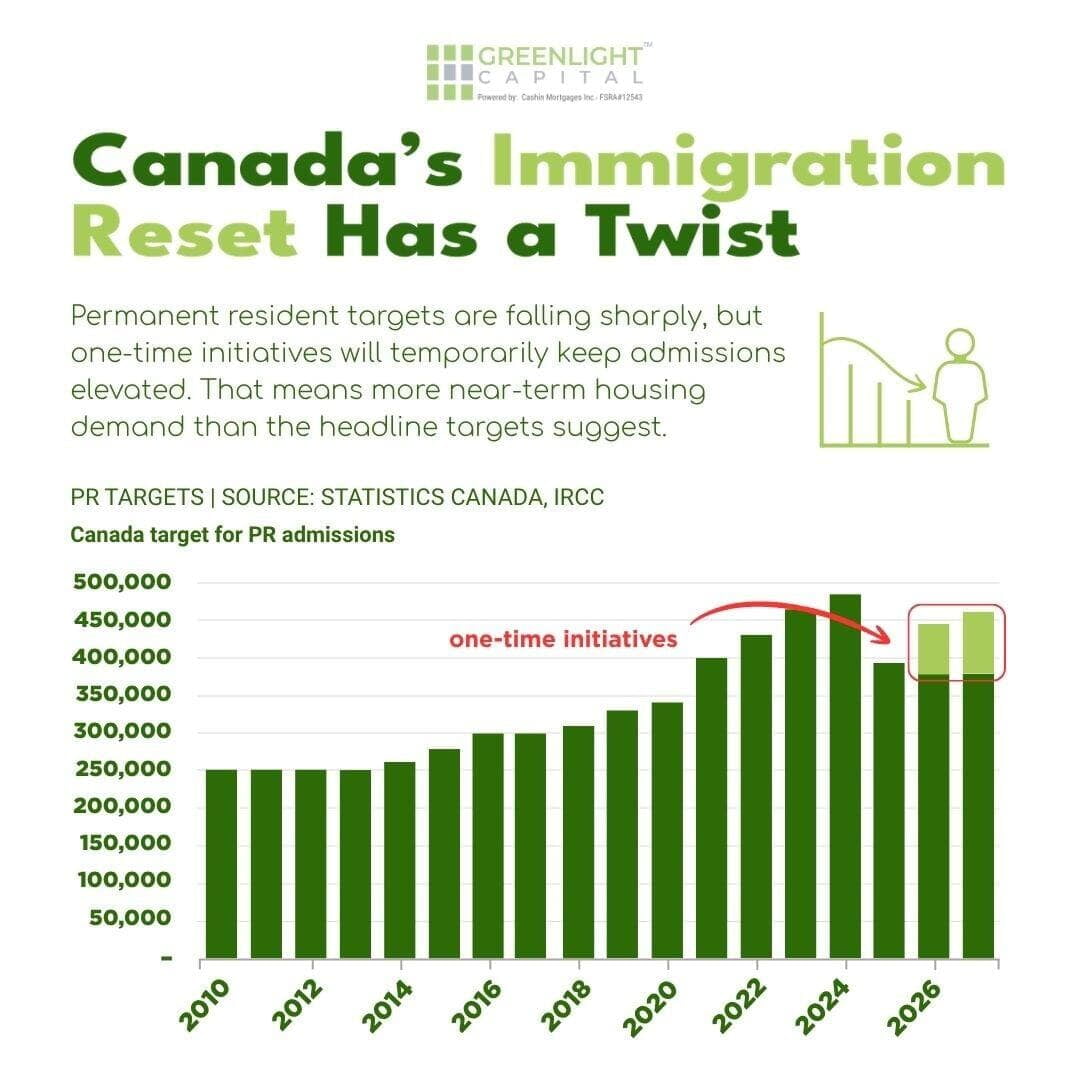
2. Canadians Are Opting for Variable-Rate Mortgages
Mortgage preferences are changing as borrowers reassess how they want to structure their debt.
Variable-rate mortgages now account for approximately 36% of outstanding mortgages, while traditional five-year fixed mortgages have fallen to around 20%.
This shift suggests that more borrowers are prioritizing flexibility and the potential benefit of lower rates rather than automatically choosing a traditional five-year fixed mortgage.
However, a variable mortgage is not necessarily the right choice for everyone. The best mortgage strategy depends on the borrower's income, financial position, risk tolerance, and future plans.
What Does This Mean for Your Clients?
There is no one-size-fits-all mortgage solution.
Clients may be more open to variable or shorter-term mortgage options, but they should understand how different mortgage structures could affect their payments and financial plans. For homeowners approaching renewal, this is an opportunity to review their mortgage before simply accepting the renewal offered by their existing lender.
The key takeaway: A mortgage renewal should be treated as an opportunity to review options, not simply a paperwork exercise.
There is no one-size-fits-all mortgage solution.
Clients may be more open to variable or shorter-term mortgage options, but they should understand how different mortgage structures could affect their payments and financial plans. For homeowners approaching renewal, this is an opportunity to review their mortgage before simply accepting the renewal offered by their existing lender.
The key takeaway: A mortgage renewal should be treated as an opportunity to review options, not simply a paperwork exercise.
3. A Major Shift Is Underway in Housing Supply
One of the biggest developments this year is how differently housing markets are behaving across the country.
Resale inventory is falling in Ontario and B.C., while rising sharply in Quebec and more modestly in Alberta.
That means the idea of one unified "Canadian housing market" is becoming less useful. Local economic conditions, employment, population growth, construction activity, and inventory levels can create very different conditions from one province and even one city to another.
What Does This Mean for Your Clients?
Location matters.
A buyer in Ontario may be facing a very different market from a buyer in Quebec or Alberta. The same applies to homeowners considering refinancing, selling, or purchasing an investment property.
Clients should look beyond national headlines and understand what is happening in their specific local market before making a major financial decision.
The key takeaway: National housing statistics provide context, but local market conditions should drive the conversation.

4. Tariffs Will Affect Provinces Differently
Economic changes are another factor to watch this fall.
Quebec, B.C., and Ontario face some of the greatest exposure to the latest U.S. tariffs. Because these provinces have significant economic ties to international trade, changes in tariffs could affect certain industries more heavily than others.
The housing market does not operate independently from the broader economy. Employment, income, business confidence, and consumer confidence can all influence housing demand.
What Does This Mean for Your Clients?
Economic uncertainty can affect a client's ability or willingness to borrow.
This may be particularly important for self-employed borrowers, business owners, and clients working in trade-sensitive industries, where income can be more closely tied to economic conditions.
For these clients, having financing conversations early can be particularly valuable. Understanding income documentation requirements and available lending options before they need financing can help avoid unnecessary delays.
The key takeaway: Economic uncertainty makes preparation even more important for borrowers.
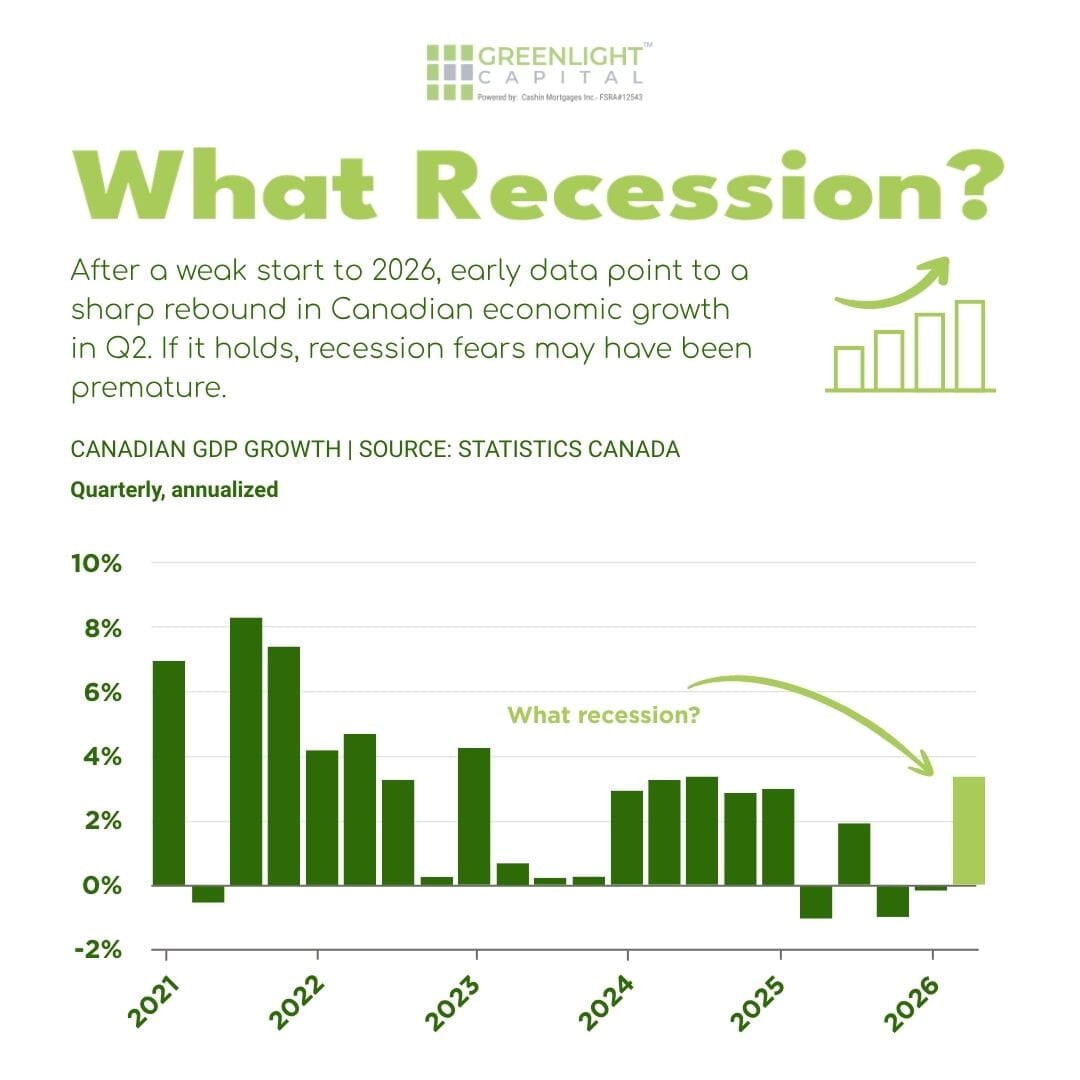
5. Housing Supply Is Shifting Toward Rentals
Canada is seeing a significant shift in the type of housing being built.
The country is building substantially more rental housing than a year ago, while condos and single-family homes under construction are declining.
This creates an interesting divide in the housing market.
More rental construction could increase rental supply in the near term, potentially providing more options for tenants. However, fewer homes being built for ownership could contribute to a tighter supply of properties available to future buyers.
What Does This Mean for Your Clients?
For clients who are not ready to purchase, increased rental supply could provide more choices in some markets.
For real estate investors, however, increased rental construction is something to watch closely. More rental units could influence vacancy rates, rental growth, property values, and investment returns, depending on the local market.
Investors should evaluate each property based on its location, financing structure, expected cash flow, and local rental conditions rather than relying solely on national trends.
The key takeaway: More rental construction may help renters today, but declining ownership construction could have longer-term implications for Canada's housing supply.
For clients who are not ready to purchase, increased rental supply could provide more choices in some markets.
For real estate investors, however, increased rental construction is something to watch closely. More rental units could influence vacancy rates, rental growth, property values, and investment returns, depending on the local market.
Investors should evaluate each property based on its location, financing structure, expected cash flow, and local rental conditions rather than relying solely on national trends.
The key takeaway: More rental construction may help renters today, but declining ownership construction could have longer-term implications for Canada's housing supply.
What Does This Mean for the Canadian Housing Market?
The biggest takeaway this September is that Canada's housing market is becoming increasingly regional and complex.
- There are several competing forces at work:New homeowner construction is slowing.
- Borrowers are changing their mortgage preferences.
- Housing inventory is moving in different directions across provinces.
- Tariffs could create additional economic pressure in trade-exposed regions.
- New construction is increasingly focused on rental housing.
For homeowners and buyers, this means planning ahead matters.
For investors, it means looking beyond headline housing statistics and understanding the fundamentals of each market.
And for mortgage professionals, these trends create an opportunity to have more informed conversations with clients about their financing options.
The biggest takeaway this September is that Canada's housing market is becoming increasingly regional and complex.
- There are several competing forces at work:New homeowner construction is slowing.
- Borrowers are changing their mortgage preferences.
- Housing inventory is moving in different directions across provinces.
- Tariffs could create additional economic pressure in trade-exposed regions.
- New construction is increasingly focused on rental housing.
For homeowners and buyers, this means planning ahead matters.
For investors, it means looking beyond headline housing statistics and understanding the fundamentals of each market.
And for mortgage professionals, these trends create an opportunity to have more informed conversations with clients about their financing options.
Flexible Financing When Traditional Lending Doesn't Fit
At Greenlight Capital Canada, we understand that not every borrower or investment opportunity fits neatly into traditional lending criteria.
Our financing solutions can help clients explore options for first mortgages, HELOCs, construction financing, commercial lending, and other real estate financing needs.
Whether your client is purchasing, refinancing, accessing equity, funding a project, or exploring an investment opportunity, understanding the available financing options can make all the difference.
At Greenlight Capital Canada, we understand that not every borrower or investment opportunity fits neatly into traditional lending criteria.
Our financing solutions can help clients explore options for first mortgages, HELOCs, construction financing, commercial lending, and other real estate financing needs.
Whether your client is purchasing, refinancing, accessing equity, funding a project, or exploring an investment opportunity, understanding the available financing options can make all the difference.
Have a Client or Financing Opportunity to Discuss?
Let's talk about how Greenlight Capital Canada can help. Contact Us Today
Let's talk about how Greenlight Capital Canada can help. Contact Us Today